Effective management of controlled waste is crucial for safeguarding public health and the environment. This blog delves into the essential aspects of controlled waste, including its definition, types, regulatory frameworks, and best practices for safe disposal.
What Is Controlled Waste?
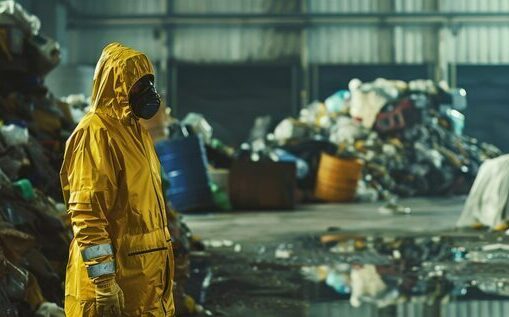
Controlled waste refers to materials that pose potential risks to human health or the environment and are subject to specific regulations governing their handling, storage, and disposal. These regulations ensure that such waste is managed in a manner that minimizes harm and complies with legal standards.
Types of Controlled Waste
Controlled waste encompasses various categories, each requiring specific management practices:
- Hazardous Waste: Includes substances that are toxic, flammable, corrosive, or reactive.
- Medical Waste: Comprises materials like sharps, pharmaceuticals, and biological waste generated in healthcare settings.
- Chemical Waste: Encompasses discarded chemicals from industrial processes, laboratories, and cleaning operations.
- E-Waste: Refers to discarded electronic devices and components that may contain hazardous materials.
- Universal Waste: A category that includes items like batteries, pesticides, and certain lamps, which are subject to less stringent regulations due to their widespread use and lower risk.
Regulatory Frameworks Governing Controlled Waste
The management of controlled waste is governed by various regulations to ensure safety and compliance:
- Resource Conservation and Recovery Act (RCRA): A U.S. federal law that provides the framework for the proper management of hazardous and non-hazardous solid waste.
- Hazardous Waste Regulations: Set standards for the identification, labeling, storage, and disposal of hazardous waste to prevent environmental contamination.
- Environmental Protection Agency (EPA) Guidelines: Offer comprehensive guidelines for waste management practices, including spill reporting and emergency response procedures.
Best Practices for Controlled Waste Disposal
To ensure safe and compliant disposal of controlled waste, consider the following best practices:
- Waste Identification: Accurately classify waste to determine the appropriate disposal method.
- Segregation: Separate different types of waste to prevent cross-contamination and facilitate recycling.
- Proper Labeling: Clearly label waste containers with appropriate hazard symbols and handling instructions.
- Secure Storage: Store waste in designated, secure areas to prevent unauthorized access and environmental exposure.
- Compliance with Regulations: Adhere to local, state, and federal regulations governing waste management practices.
Navigating the Challenges of Controlled Waste Management
Managing controlled waste presents several challenges, including:
- Regulatory Compliance: Keeping abreast of evolving regulations and ensuring adherence can be complex.
- Cost Management: Implementing proper waste management systems may incur additional costs.
- Training and Education: Ensuring that personnel are adequately trained in waste handling procedures is essential for safety.
- Environmental Impact: Minimizing the environmental footprint of waste disposal requires innovative solutions and technologies.
The Importance of Sustainable Waste Management
Adopting sustainable waste management practices not only ensures compliance but also contributes to environmental conservation. Implementing recycling programs, reducing waste generation, and exploring alternative disposal methods can significantly reduce the ecological impact of controlled waste.