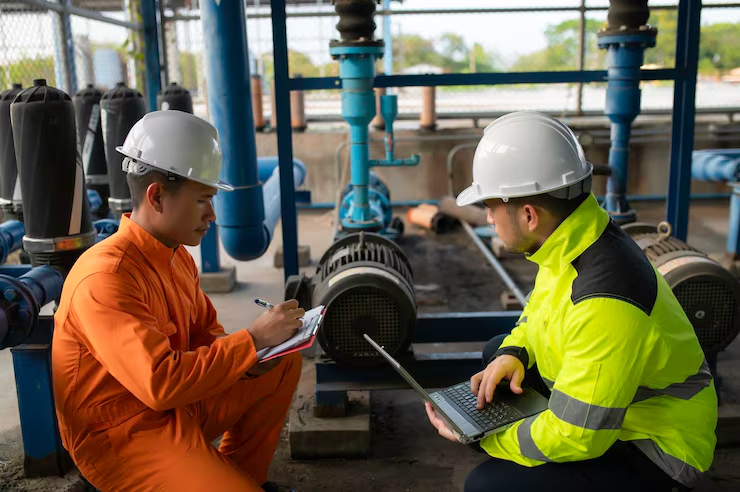
Efficient and responsible waste management is essential for protecting public health, ensuring environmental sustainability, and complying with government regulations. At All Controlled Waste, we specialize in providing safe, reliable, and environmentally responsible solutions for liquid, solid, and hazardous waste for residential, commercial, and industrial clients. This blog explores the types of waste, the importance of proper disposal, and best practices to manage waste effectively.
Understanding Waste and Its Types
Waste comes in many forms, and each type requires specific handling and disposal practices:
- Liquid Waste: Wastewater, sewage, and industrial effluents require proper extraction, treatment, and disposal to prevent environmental contamination.
- Solid Waste: General trash, industrial debris, and food waste must be segregated and recycled or disposed of according to regulations.
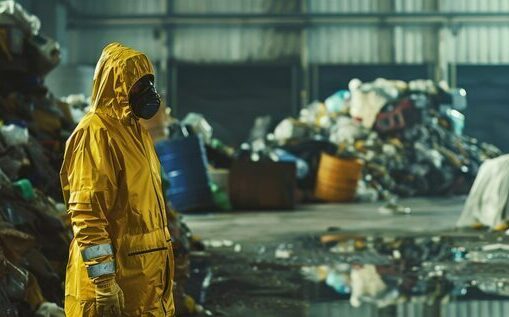
- Hazardous Waste: Chemicals, solvents, and medical waste can be harmful if not disposed of safely. Proper containment, labeling, and transportation are critical.
- Grease and Oil Waste: From restaurants and commercial kitchens, grease and oil waste needs specialized collection and disposal to avoid plumbing and environmental issues.
Importance of Proper Waste Management
Proper waste management is not just about compliance—it is crucial for:
- Environmental Protection: Prevents soil, water, and air pollution.
- Health & Safety: Reduces the risk of disease and injury caused by improperly handled waste.
- Legal Compliance: Ensures adherence to local, state, and federal regulations regarding waste disposal.
- Sustainability: Encourages recycling and resource recovery, reducing landfill use.
Our Services at All Controlled Waste
At All Controlled Waste, we offer comprehensive solutions for all types of waste:
- Septic Tank Cleanouts – Professional pumping, cleaning, and safe disposal of septic tank contents.
- Grease Trap Cleaning – Removal and disposal of grease and oil buildup from commercial kitchens.
- Liquid Waste Removal – Safe extraction and disposal of wastewater and industrial effluent.
- Hazardous Waste Disposal – Proper handling, transportation, and disposal of chemicals and regulated waste.
- Recycling & Resource Recovery – Environmentally friendly practices to reduce landfill waste and recover valuable materials.
Best Practices for Waste Management
To ensure safety and efficiency in waste handling:
- Segregate Waste – Separate liquids, solids, and hazardous materials.
- Proper Storage – Use secure containers and storage areas.
- Follow Regulations – Comply with environmental and safety regulations.
- Use Professional Services – Engage experts for complex or hazardous waste disposal.
- Recycle and Reuse – Promote sustainability by recovering and recycling materials wherever possible.
Conclusion
Proper waste management is essential for a cleaner, safer, and sustainable environment. By partnering with All Controlled Waste, you can ensure your waste is handled responsibly, safely, and in full compliance with regulations. From septic tank cleanouts to hazardous waste disposal, we provide professional solutions that protect your health, the environment, and your business.